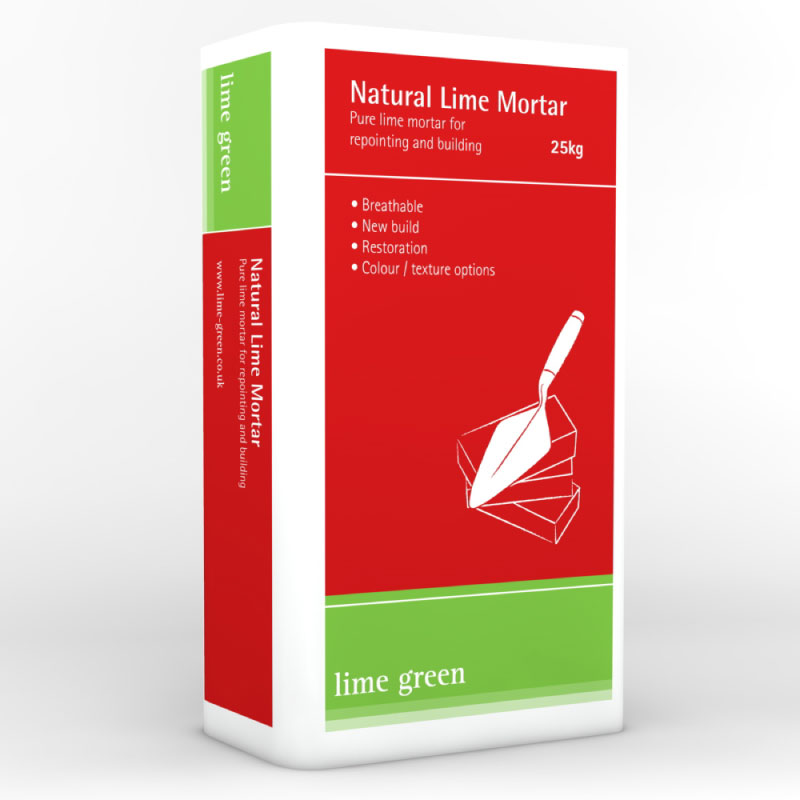
Natural Mortar is available in a range of colours for use in both old and new buildings. It is a dry powder product mixed with water on site for building and pointing brick, stone and flint.
Lime Green Natural Mortar is made with natural hydraulic lime. Pigments have been mixed in, making it available in a large range of colours. It is breathable and is ideal for old buildings because it allows moisture in the walls to escape.
We can post sample mortar biscuits for you to colour match to your existing mortar – just select from the chart. Alternatively post a small piece of mortar to us and we can post the closest sample to you.
We now supply coloured cement mortar for newbuild with the same colour and texture as the Natural Mortar.
Full product information
NM Chalk
NM Bath
NM Cotswold
NM York
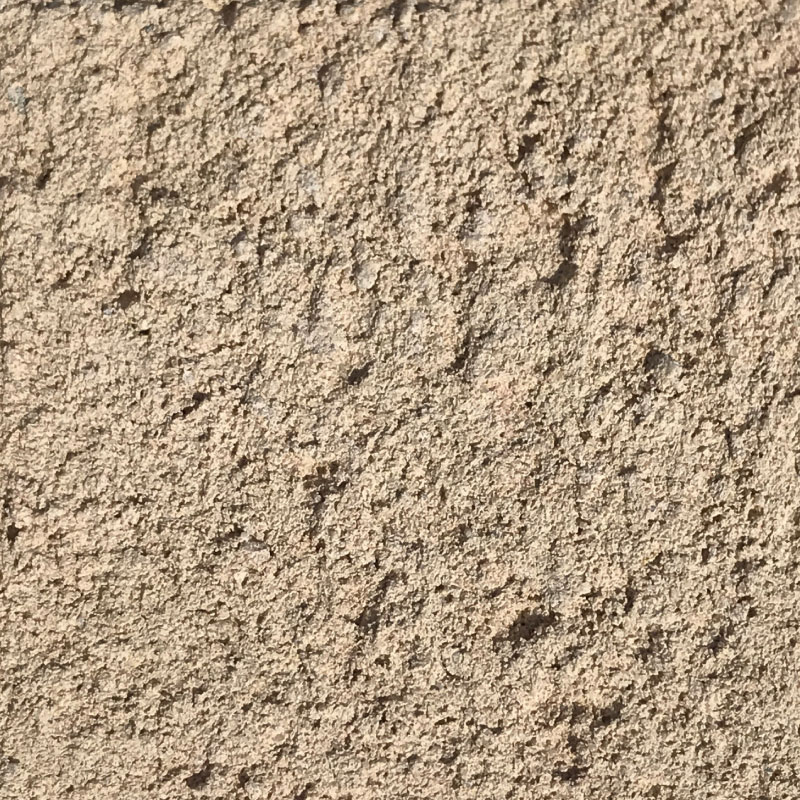
NM Bracken
NM Barley
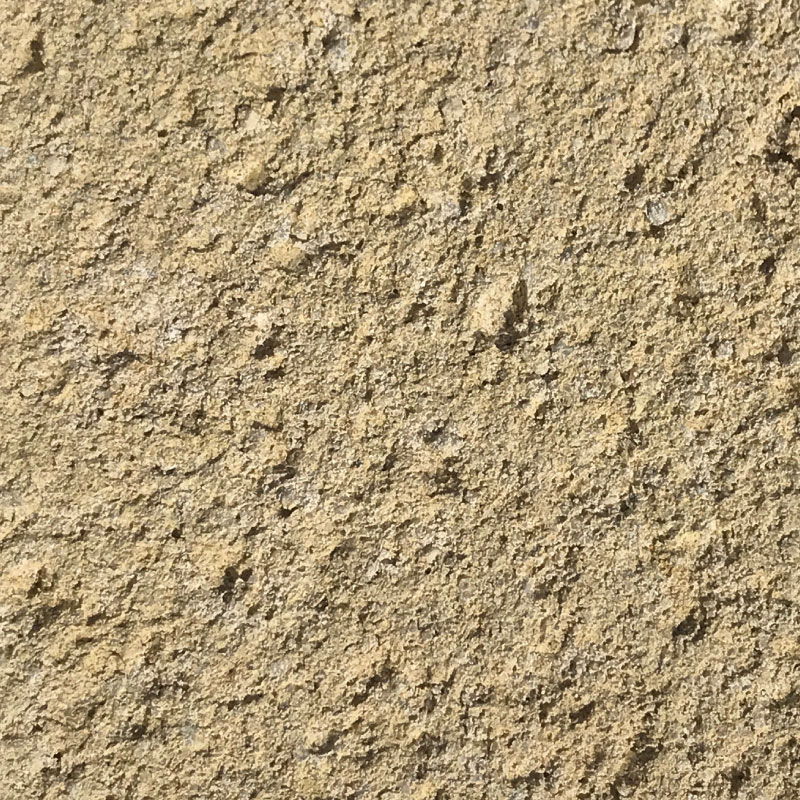
NM Stone
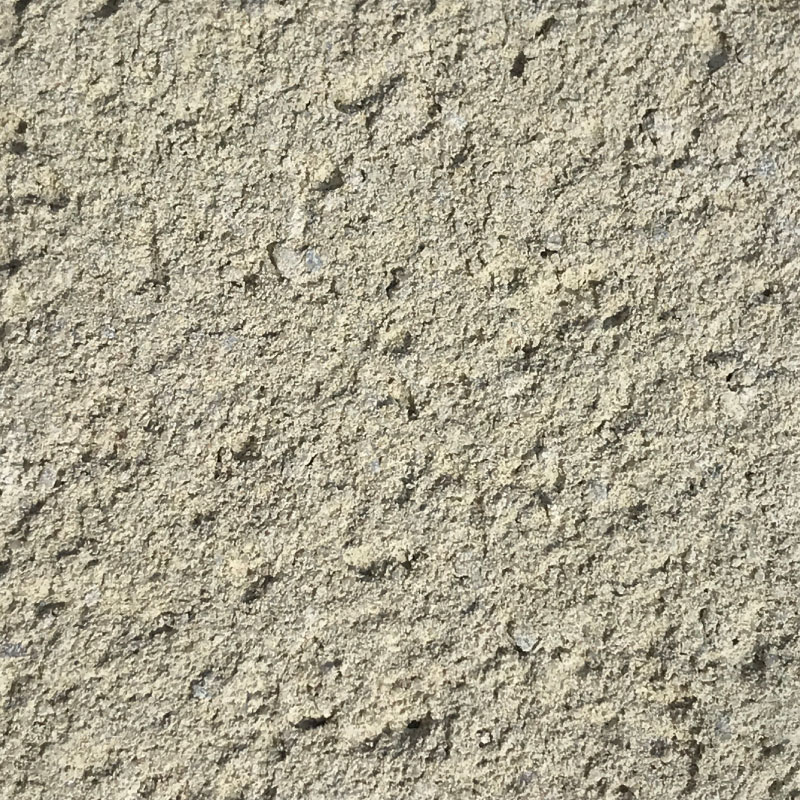
NM Corfton
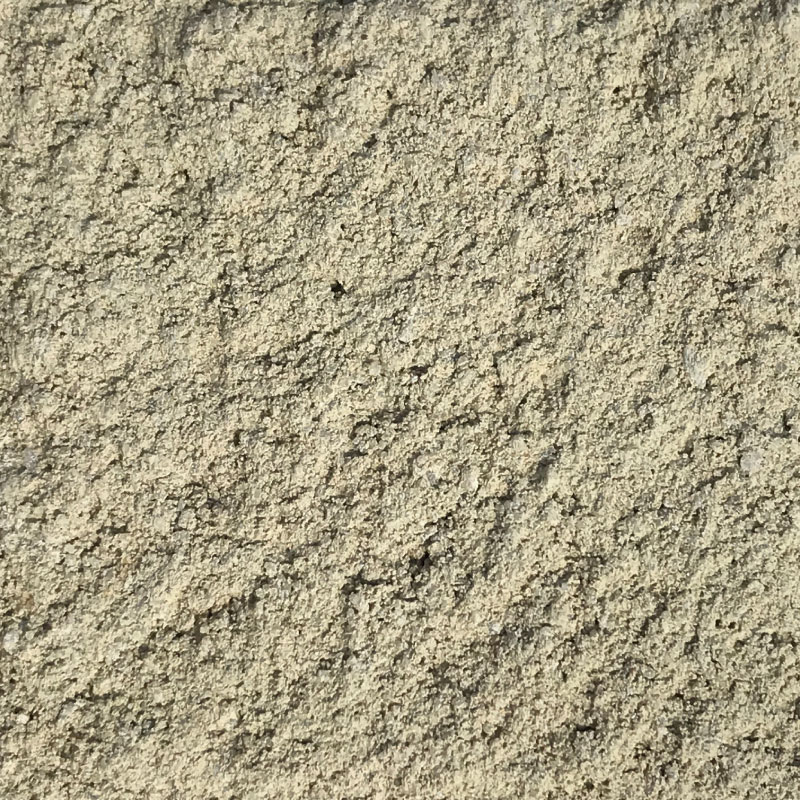
NM Harnage
NM Amberley
NM Sandgate
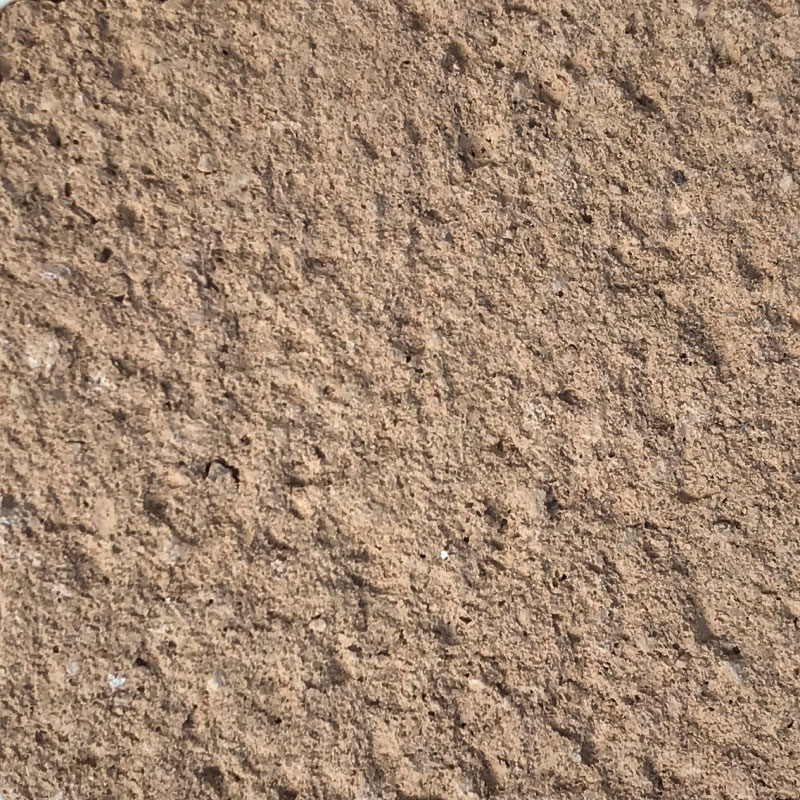
NM Tugford
NM Tilgate
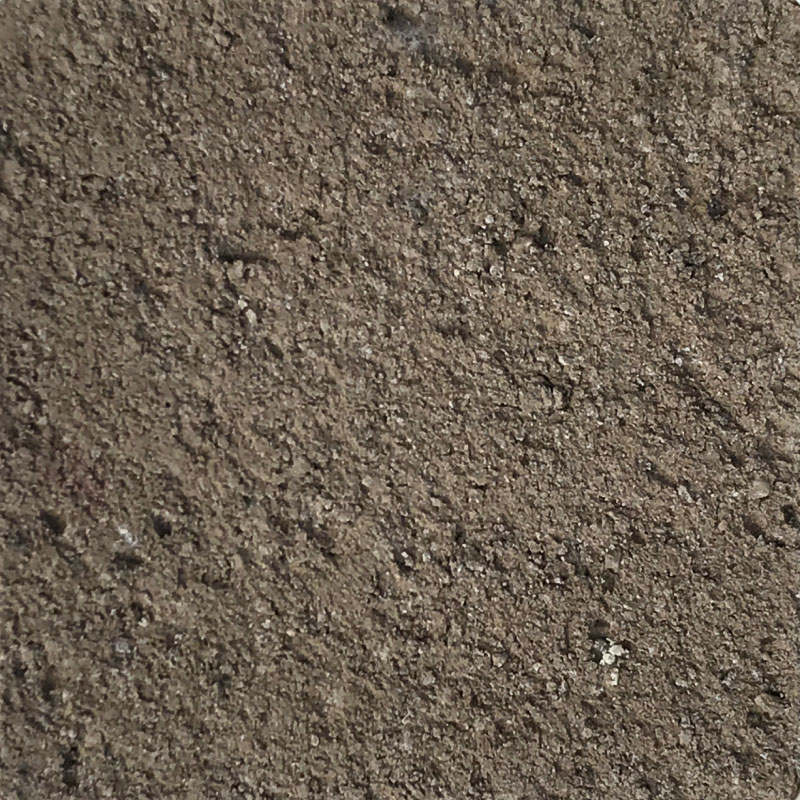
NM Farringdon
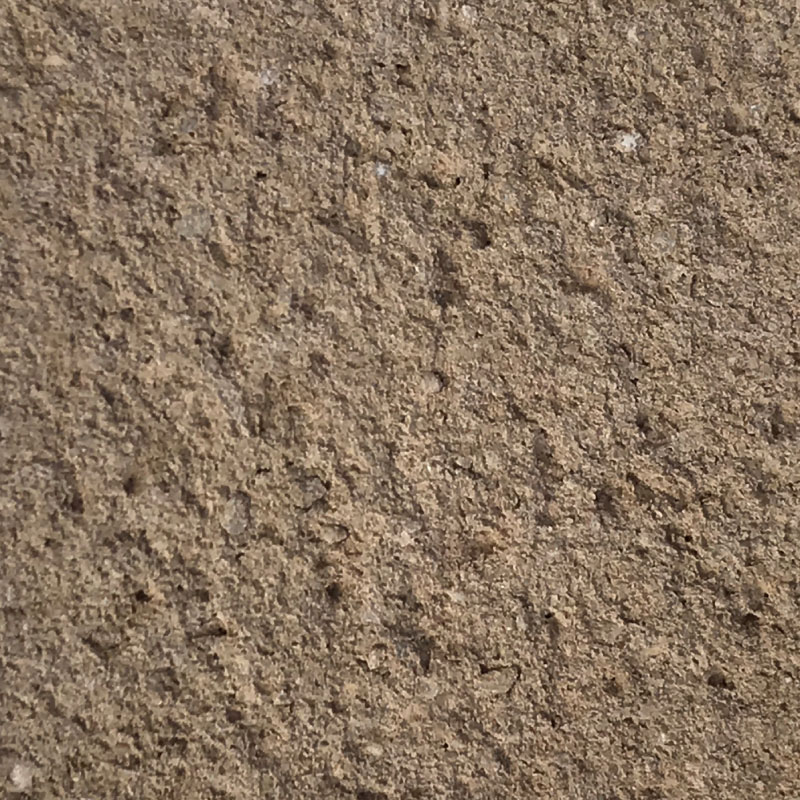
NM Arundel
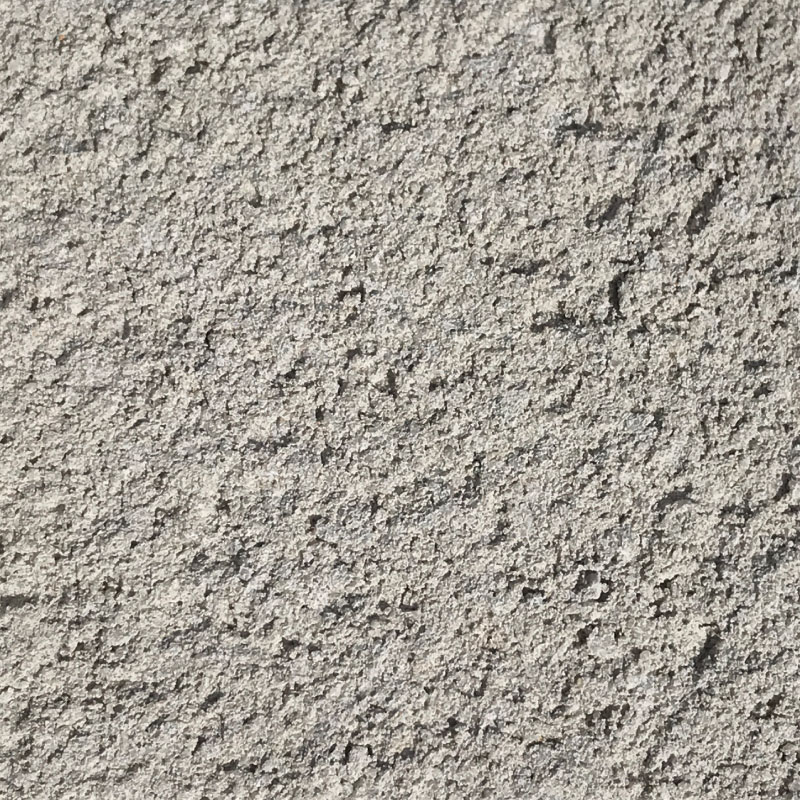
NM Birch
NM Cinders
NM Terracotta
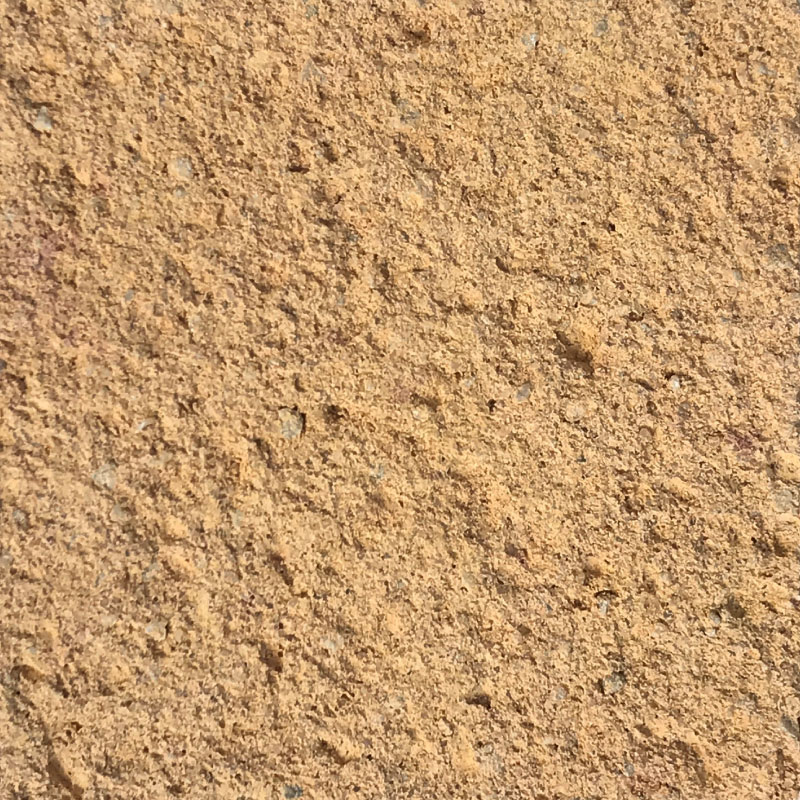
NM Ashdown
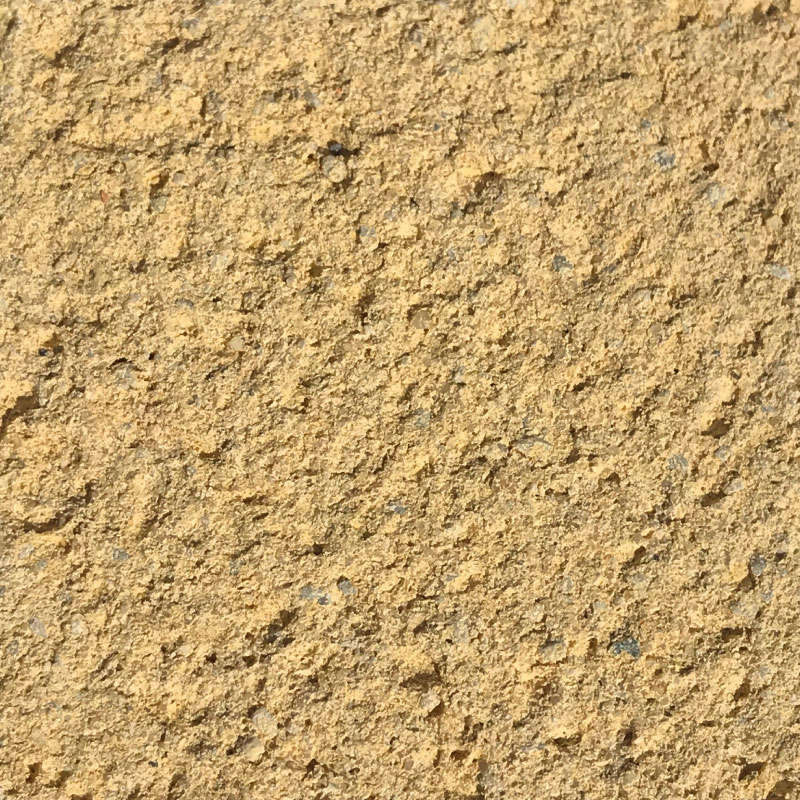
NM Ochre
We hold around eight colours in stock. Telephone first to check stock is available and to avoid any waiting during your visit. The remaining colours along with larger orders have a lead in around 7 days.
The Lime Centre’s dedicated team with a broad knowledge is just a phone call away and will provide product knowledge, application advice, quantities & coverage as well as competitive prices.
The Lime Centre can give assistance on coverage and quantities for lime render.
Repointing: 1 x 25kg bag will repoint 3-4m2 brickwork and 1-2m2 stonework.
Bricklaying: 1 Tonne will lay 800-1000 bricks.
For advice on our services and products call us on 01962 713 636
or email info@thelimecentre.co.uk
Lime mortars require longer curing times than cement mortar, but the methods and principals of laying are similar. There are many ways to finish joint. We prefer a joint which is square and set back off the sharp arris by a mm or two. After cleaning off wait for the mortar to begin to stiffen and drag with square end timber batten (not a bucket handle tool) the timber will compress the joint, remove excess mortar and leave an open texture with some exposed aggregate. This can be left or finished with a soft brush. This method is simple and leaves a neat flat joint whereas a bucket handle tool can leave a concave joint with a sheen on it.
Rake out to a depth that is approximately twice the height of the joint. Remove all dust and loose material from the joints. Dampen the joints with a spray of clean water before repointing in order to reduce the suction from the brick.
Repointing with a small tool or an appropriate pointing tool that easily fits into the joint. The mortar is pushed firmly to the back of the joint and built up to the front of the brick/flint/stone. This way the front face of the bricks stay clean which is not possible if the tool does not fit into the joint. Do not try to clean mortar away from the bricks before it has crusted otherwise it will be forced into the pores of the brick. If it has crusted, it will drop off the brick easily leaving the face clean.
When the mortar is beginning to crust the joints can be dragged with timber to them leave square, with open texture and with some exposed aggregate. This can be left or finished with a soft brush.
Do not use in temperatures less than 5 degrees or over 30 degrees. Protect mortar against the effects of drying winds, strong sunlight, rain and frost. In warmer weather gently mist spray with water after application and cover if required with damp hessian. In cool weather cover fresh mortar with protective sheeting to help avoid frost damage.